


Every parent has faced the familiar standoff—the crossed arms, the defiant “no,” the escalating tension that transforms a simple request into a battlefield. These daily power struggles can leave families feeling exhausted and disconnected, turning parenting into a series of negotiations and ultimatums rather than a nurturing relationship. Yet behind every challenging behavior lies an unmet need, a skill yet to be developed, or an emotion a child lacks the vocabulary to express.
Moving from conflict to cooperation begins with a fundamental shift: seeing misbehavior not as defiance, but as communication. When we learn to decode the underlying messages in our children’s actions—whether they signal a need for autonomy, connection, mastery, or emotional safety—we can respond with strategies that address the root cause rather than simply reacting to the symptom. This proactive approach transforms parenting from a reactive discipline model into a collaborative partnership built on mutual respect and understanding.
When faced with challenging moments, it’s crucial to remember that a child’s actions often stem from underlying impulses. Responding to these situations in a constructive manner can significantly improve your connection. Engage in activities together that foster understanding, such as discussing feelings and emotions, to work through stressful times effectively.
For younger kids, the process must involve patience and empathy. Establishing a safe space where they feel comfortable expressing their needs helps in managing situations where tension may arise. For example, if a child feels threatened during a transition, like moving from playtime to bedtime, actively modeling calm behaviors can show them that it’s okay to express their feelings while learning to navigate the boundaries.
In Seattle, parents often find support through community programs that offer resources and strategies. Utilizing local workshops can provide valuable insights into childhood development stages and effective communication methods. Remember, providing a secure environment where your child can thrive is not just important; it’s a fundamental aspect of helping them understand and articulate their emotions. This nurturing could mean the difference between command and cooperation during challenging times.
As a helper in their growth, you must work towards establishing strong connections that allow for openness and honesty. Every interaction is a chance to reinforce these connections–so when conflicts arise, simply ask yourself: what’s the real need behind this outburst? Identifying that can lead you both down a more harmonious path.
Recognizing the Root Causes of Power Struggles

To effectively manage conflicts at home, it’s vital to identify what underlies these confrontations. Children often feel a desperate need for autonomy. For example, when Logan decides he wants to choose dinner, he might not be challenging authority but rather expressing his desire for control. Living in a household where this need is ignored can lead to friction. As adults, we must plan how to give them some choices, turning simple moments into opportunities for them to feel heard and respected.
It’s also important to recognize that small situations can escalate quickly. When a child is feeling overwhelmed, even minor decisions can become huge sticking points. Instead of insisting on complete obedience, try implementing boundaries that allow for flexibility. For instance, when asking, “Would you like strawberries or blueberries with your breakfast?” it involves them in the decision-making process, making them feel valued while maintaining parental guidance.
One effective strategy is to create a routine that includes extras like family meetings titled “Plan for Tomorrow.” Here, everyone discusses what’s on the agenda, allowing kids to voice their feelings and concerns about daily activities. This approach not only fosters a sense of belonging but also helps children feel safe while providing a platform for adults to address any hard topics in a calm and constructive manner.
Using tools and products can further enhance this experience. Consider items like the Family Dinner Conversation Cards available on Amazon. They encourage discussions, making mealtime interactive and enjoyable. This method not only strengthens family bonds but also teaches children how to express their needs and feelings in a safe environment, reducing the likelihood of resistance in other situations.
Identifying Emotional Triggers in Children
Start by observing when emotions run high. Certain situations, like transitioning from playtime to chores, can lead to resistance. Think about how you react when it’s time to leave for home; a simple change can block your child’s ability to cope. Notice if they become upset when it’s time to stop an engaging activity. This might indicate that they need more time for play before shifting gears.
Engage your little ones early on. Ask how they feel when chores come into play at home. Sometimes, offering incentives can help; for example, if they finish their chores quickly, they could earn extra playtime. This method can change the narrative from “doing chores” to “completing tasks for rewards.”
Having a friend over can also shift dynamics. When a buddy is around, children might act differently. It involves new excitement but can also stress them if boundaries aren’t clear. If your child reacts against certain situations, it’s useful to take notes. What came up in those moments? What needs were unmet?
Establishing a consistent routine can help them thrive. If dinner time is always at six, they can anticipate what comes next. When you notice emotional triggers, take the time to reflect. Does your child express themselves more on weekends, or does the emotional ground shift during school days? Observe the patterns, and consider small adjustments to your environment at home. This might lead to calmer transitions.
Some parents find it beneficial to have a “cool-down seat” in the home, a designated space where emotions can settle. If tempers flare, a cozy spot can serve as a positive retreat. It’s a low-pressure area that puts them at ease, often working wonders for their emotional state.
Tools on the market, like weighted blankets or stress-relief toys, can also be beneficial. These items offer comfort and can be found on websites such as Amazon, making them easily accessible. Think about incorporating these into your home to support emotional regulation.
Importance of Age and Developmental Stages
Understanding age and developmental stages is crucial for parents looking to navigate daily interactions smoothly. For instance, when a little one enters preschool, they are eager to choose activities, such as drawing or playing at the playground. Providing options helps them feel involved. Products like the Melissa & Doug Wooden Rainbow Stacker can serve as a fun and educational toy to encourage early learning while engaging in play.
As your child grows, they will start to express their preferences more boldly. This is a perfect time for mommydaddy to reinforce decision-making skills. Instead of dictating choices, offer two or three options–like choosing between a book or a puzzle to enjoy at home. Not only does this create a more enjoyable atmosphere, but it also builds their confidence. Articles suggest that allowing children this freedom can lead to better cooperative behavior later on.
Sibling dynamics become apparent as your family expands. For example, a brother might begin to assert his space when his needs aren’t met. Show him that his voice matters by involving him in simple tasks, such as helping to choose where to go after school or what snack to have after his playtime. This approach naturally fosters a supportive environment that encourages teamwork and communication among family members.
Finally, remember to ensure that you too take time for yourself. When staying balanced as a parent, you can turn potential conflicts into opportunities for fun. Consider visiting a local playground or creating a family art project when little tensions arise. By understanding exactly what drives your child’s actions, you will find it easier to redirect their behaviors positively, ultimately achieving your goal of a harmonious home life.
How Parenting Styles Influence Power Dynamics
To foster a healthy connection, it’s essential for parents to remember that each interaction matters. When faced with challenges, instead of reacting impulsively, consider pausing to reflect. This small shift in approach can help minimize the friction often seen in family dynamics.
For instance, when children ask for cookies just before dinner, it may seem like a power play. However, this behavior often stems from a desire for attention or a simple transition between activities. By offering a snack after dinner instead, you can satisfy their need without raising tension. In Washington families, some parents find that setting clear boundaries while still being flexible allows kids to feel grounded in their choices.
Another example includes transitioning from screen time to family activities. Unplugging is crucial; however, it’s how this is executed that matters. Rather than announcing the end of screen time abruptly, you could decide to introduce a fun game or story. When children are taught that switches in activity can be enjoyable, they are less likely to resist.
Additionally, establishing a routine can minimize conflict. Families that create a consistent structure tend to experience less disruptive behavior. For example, if kids know that Wednesdays are for baking, they may feel more inclined to accept that the kitchen is off-limits on other days. Products like the Kids Cooking Set found on Amazon can help make these moments special and engaging.
Ultimately, the influence of parenting styles on family dynamics is profound. It’s about making intentional choices that prioritize connection while addressing needs. By recognizing the impulses behind children’s actions, parents can transform potential disputes into opportunities for growth, allowing everyone to learn and bond together.
Communicating Effectively to Minimize Conflict
To minimize conflict, telling kids what to do isn’t always effective. Instead, use a plan that sets clear expectations. For instance, when you approach your child about cleaning their room, offer them a choice. You might say, “Would you like to do this now or after lunch?” This empowers them and increases their positive response.
Engaging in activities together, such as listening to music or playing a game, can also keep attention. When adults share experiences with kids, it makes behavioral discussions easier. For example, while playing a game, you can subtly address the importance of teamwork and respect. These moments encourage lessons without direct command, which often sparks resistance.
Utilizing materials that are engaging can also help. For example, arts and crafts supplies can be found on Amazon. Having these on hand allows for healthy outlets for creativity, which helps kids express their feelings. If your child is upset, suggesting they create something might redirect their energy positively.
Be mindful of your response to their behavior. Instead of saying, “Don’t do that,” it’s often more effective to give them alternatives. For example, if your child is frustrated, encourage them to use words to express how they feel or to talk with a sibling, such as their brother. This practice of verbalizing emotions helps prevent potential meltdowns.
Remember, keeping communication open creates a world where children feel safe to express themselves. Instead of allowing things to sink into arguments, recognize cues and provide support. Children appreciate when adults actively listen and respond with understanding.
- Choose interactive activities that foster discussion.
- Use engaging materials for creative outlets.
- Offer choices to empower decision-making.
- Encourage open dialogue about feelings.
Incorporating these techniques into your everyday interactions makes a difference in your relationship with children. By focusing on empowering responses, conflicts can be minimized while fostering a healthier environment.
Using Active Listening Techniques
To effectively connect, you’re ready to engage in active listening by echoing back what a child shares. For instance, if Yusra expresses frustration over not getting a toy, you might say, “It sounds like you’re feeling upset because you need that toy to play.” This simple method lets children know that their feelings matter, which fosters a sense of independence rather than controlling the situation.
Once you encourage open communication, turn your attention to identifying the underlying needs. If Stella appears dysregulated during transitions, rather than getting into a debate, try offering choices. Ask her, “Would you like to put away the materials now or in five minutes?” This way, you’re allowing her to decide, which often calms the situation and reduces unwanted tension.
In moments of heightened emotions, believe in the power of validation. If a child is upset, rather than jumping in to solve the problem, give them space. Saying, “I see you’re really struggling with this; it’s okay to feel that way,” reassures them that their feelings are understood. Once they know you’re there for them, they may feel more inclined to engage in problem-solving together.
It’s essential to stay focused and avoid unnecessary arguments. If a child is doing something contrary to what you believe is best, ask them questions aimed at discovering their point of view. This not only helps in grasping whom they are as individuals but also shifts the dynamic from a conflict to a collaborative approach. Engaging in this way lets them feel heard, turning a potentially challenging interaction into a meaningful dialogue.
Questions and answers:
What are some common reasons behind children’s power struggles?
Power struggles with children often stem from their desire for autonomy and control. Young ones are in a developmental stage where they seek to assert themselves and establish their independence. This can manifest in resistance to authority, defiance, or challenging limits. Additionally, children may engage in power struggles when they feel overwhelmed, frustrated, or misunderstood, as they may not yet have the skills to express their needs verbally. Understanding these underlying motivations can help caregivers approach these situations more empathetically.
How can I handle a power struggle without escalating the situation?
One effective approach to managing power struggles is to maintain a calm demeanor and avoid reacting with frustration. Instead of confronting the child directly, consider acknowledging their feelings and offering choices that empower them. For example, if a child refuses to clean their room, you might say, “I understand you’re frustrated about tidying up. Would you like to put away your toys first or make your bed?” Providing options gives children a sense of control while still guiding them towards the task. It’s also beneficial to communicate expectations clearly and develop consistent routines to minimize instances of resistance.
What strategies can I use to prevent power struggles from occurring?
Preventing power struggles often hinges on proactive parenting strategies. Establishing clear and consistent boundaries can help children understand what is expected of them, which may reduce their likelihood of rebellion. Incorporating routines can also create a sense of stability for children, making them less likely to push against authority. Additionally, engaging children in decision-making—whether about simple daily tasks or larger family activities—can enhance their sense of agency and reduce the urge to fight for control. Positive reinforcement for cooperative behavior can also reinforce desired actions.
How does understanding a child’s needs affect how I respond to their behavior?
When caregivers recognize the needs behind a child’s behavior, they can respond more appropriately and effectively. Understanding that a child may be acting out due to feelings of frustration, attention-seeking, or a lack of skills can shift the response from punitive to supportive. This perspective allows caregivers to address the root cause of the behavior, rather than simply reacting to it. For example, if a child throws a tantrum because they are tired, acknowledging their fatigue and offering comfort can defuse tension. This compassionate approach not only improves the immediate situation but also fosters a stronger emotional bond between caregiver and child.

Other Articles


6 Comments
Comments are closed.


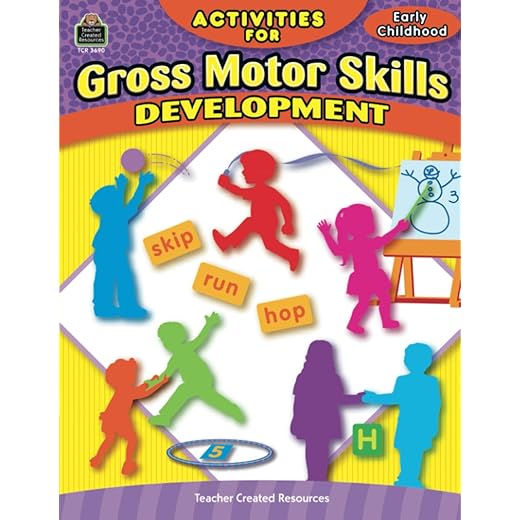
Fantastic book. Thorough coverage of motor development. I am SO glad I purchased this book. Gross motor development was an area of my child care program I wanted to improve. This book is really coming through to help me do that! I recommend this book for anybody who works with children, including parents!
Wonderful. Excellent tool for preschool classes. Has a great variety of ideas and specific activities to do.
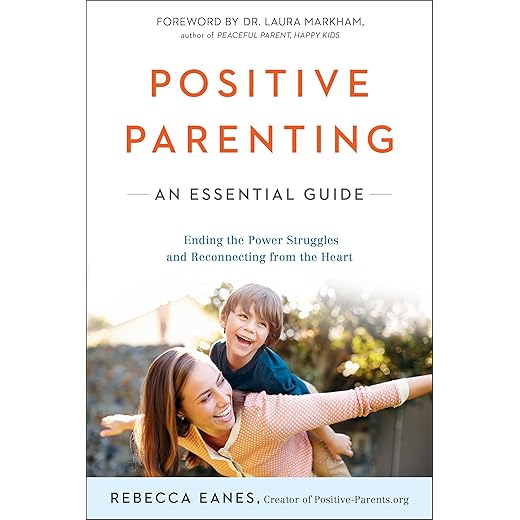
A must-read for new parents who want to connect with their children from the start. I was introduced to positive parenting principles and to Rebecca Eanes’s amazing books in an unusual way. I teach restoratively justice, and I had become accustomed to outlining for my students the differences between the kinds of questions that traditional criminal justice asks when a crime is committed (Whose fault is it? What did they do? How can we punish them?) and those posed by restorative justice (What happened? Why did it happen? How can we make things right?); yet it never occurred to me that applying what I knew about the “blame game” and the “pain game” to parenting would be a smart move. While I was pregnant with my twins, I showed my students a TEDx talk with Katy Hutchison in which she describes her family’s use of a time-in rather than a time-out (and explains how she wanted that same kind of time-in with her daughter’s killer). For some reason, that video clip really resonated with me, as did her explanation that putting a child in time-out only alienates and isolates them – it fails to address whatever underlying need all parties concerned may have. I start reading up on the subject and came across The Newbie’s Guide to Positive Parenting by Rebecca Eanes, then her Facebook community, Positive Parenting: Toddlers and Beyond, and now Positive Parenting: An Essential Guide (her most recent book).Reminiscent of Pam Leo’s Connection Parenting and L. R. Knost’s The Gentle Parent but packed full of practical tips and ideas, Rebecca’s book is indeed an essential guide to understanding why children behave the way that they do, and how we as parents can change our focus from controlling and punishing them to cultivating the kind of connected, secure relationship with them that will nurture them and help them reach their full potential. The book encourages readers to work on their own in order to identify triggers and concerns before putting these into action, and this self-reflection and heightened self-awareness results in much deeper, more meaningful family connections. My own parenting has benefited tremendously from exposure to this paradigm shift – I consciously treat my children with respect and empathy and find that I have more patience and a greater sense of calm in negotiating situations where we disagree. I’m indescribably grateful for Rebecca’s willingness to share her expertise and experience, and I feel confident and assured in the knowledge that her book is making me a better, more mindful parent with each read.
Three words: research-based, logical, practical, brilliant! (4 words actually). I am a new parent and this is THE book I have been waiting for. It gets to the heart of every person wanting to build connection and fulfilling relationships with children and spouse. A parenting book that is holistic: it does not focus only on kids and kids’ behavior but also deals with self-reflection for parents and effective communication between spouses. It is based on research and psychological facts which clarifies many societal misconceptions about raising kids. It is practical and solution-centered as the author gives so many scenarios and examples that every parent can relate to. Every chapter has a section that helps parent reflect and put into practice what they have just read. There are so many practical tips in connecting with your kids from infancy to adolescent stage. This book is straight to the point, down-to-earth, and so easy to understand and apply. I will definitely refer to this book from time to time because there are just so many important points. A must-have for parents, parents-to-be, and even grandparents who wish to have happy and emotionally healthy families.
Truly a guide to the essentials. If you are looking for the one positive parenting book to read first and/or share with your spouse or friend who is about to become a parent, this is the one. A quick, easy to read overview (180 pages I finished in 3 evenings) with lots of practical advice after each theoretical explanation, this book gives a sense of inspiration and motivation rather than the complete overwhelm that can come along with trying to learn a new and more positive, connected way to parent than the way most of us were raised. While my other favorites, Jane Nelson’s original canon (Positive Discipline) and Dr. Shefali Tsabary’s The Conscious Parent and The Awakened Family are much more deep and comprehensive, they are also much more dense and won’t be finished as quickly. I would call those intermediate to advanced level positive parenting books. This is the one you want to start with—it’s aptly called an “essential guide” because that’s what it is. The essentials! You’ll wrap your mind about what positive parenting is, why it’s so important, and you’ll learn to start with caring for and disciplining yourself and your parenting partnership if you’re in one, which is the #1 thing we all have to do for positive parenting to work. Highly recommend!!
Good. Gift